
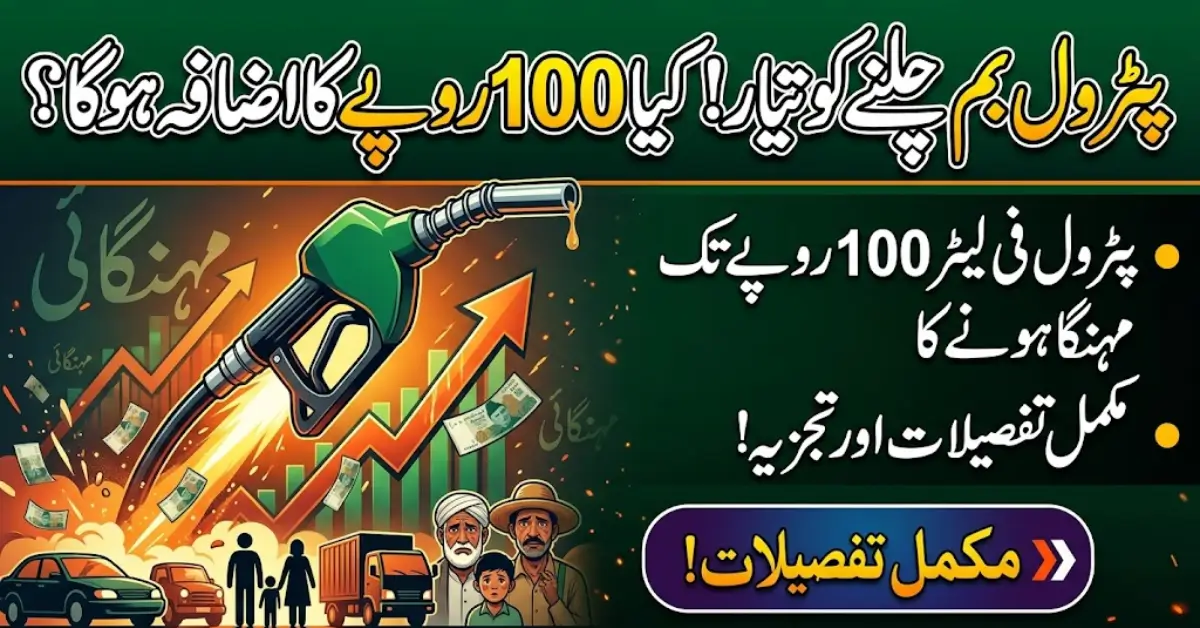
Petrol and Diesel Prices Likely Spike
Petrol and Diesel Prices Likely Spike: Petrol price increase in Pakistan is once again becoming a major concern for the public, as reports suggest a possible hike of up to 100 rupees per liter. This expected increase has created uncertainty among citizens who are already dealing with rising inflation and daily expenses. If implemented, this could be one of the biggest jumps in fuel prices in recent times.
Flights from Saudi Arabia to Pakistan Resume: A Welcome Relief for Travelers
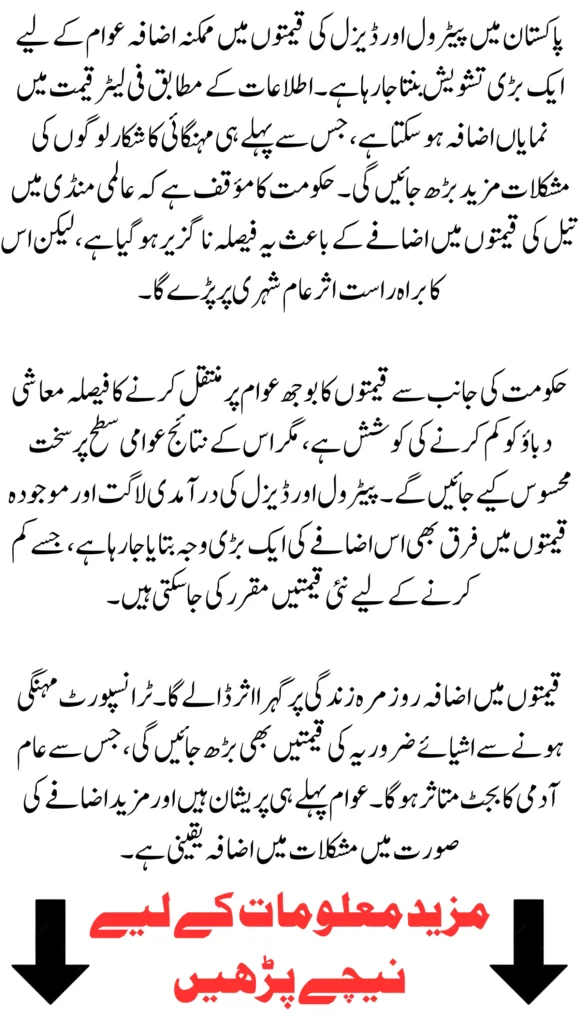
Government’s Decision to Shift Burden to Public
According to recent developments, the federal government has reportedly decided to pass on the impact of rising global oil prices directly to consumers. This means that instead of absorbing the cost or providing subsidies, the government may allow fuel prices to rise significantly.
This approach is often adopted when economic pressures increase, especially due to international market fluctuations. However, such decisions usually place a heavy burden on the general public, particularly low- and middle-income groups.
Difference Between Import Cost and Current Prices
Reports indicate that there is already a substantial gap between the import cost of petrol and its current selling price in Pakistan. The difference is estimated to be around 100 rupees per liter for petrol. In the case of diesel, the gap is even larger, reportedly exceeding 200 rupees per liter.
This growing difference is one of the main reasons behind the expected petrol price increase in Pakistan. Authorities may adjust prices to align with actual import costs and reduce financial pressure on the national economy.
Expected Announcement of New Petrol Prices
Sources suggest that the new petrol prices could be officially announced within the next few days. While no exact date has been confirmed, such revisions are usually made at the start or mid of the month.
Citizens are closely watching for the announcement, as any increase in fuel prices directly affects transportation costs, electricity charges, and the prices of essential goods.
Punjab Model Village Program Expands Rapidly with Development Work Launched in 302 Villages
Impact on Inflation and Daily Life
A major petrol price increase in Pakistan can trigger a chain reaction across the economy. Transport fares are likely to rise immediately, which in turn increases the cost of food, groceries, and other daily necessities.
Small businesses, farmers, and salaried individuals are expected to face the biggest challenges. Higher diesel prices will also affect agricultural production and goods transportation, further contributing to inflation.
Public Reaction and Growing Concerns
The possibility of a sharp petrol price increase has already sparked concern among the public. Many people fear that such a steep hike will make it difficult to manage household budgets.
Social discussions and public opinions reflect frustration over continuous price hikes, especially at a time when income levels remain unchanged for most people.
Conclusion
The expected petrol price increase in Pakistan could have wide-ranging effects on the economy and everyday life. While the government aims to manage financial pressures by aligning prices with global rates, the burden on citizens is likely to grow. As the official announcement approaches, people across the country are preparing for another wave of rising costs.
Sindh Government Launches EV Pink Taxi Service for Women